Burn injuries can be among the most uncomfortable and stressful experiences one can sustain. Whether it's a minor kitchen area problem or an extreme shed from an accident, recognizing the phases of burn injury healing is critical for effective therapy and healing. In this post, we will certainly dig deep right into the complexities of shed wounds, their category, recovery processes, and necessary treatment techniques.
Understanding Burn Wound Healing Organizes: Healing Insights
Burns are categorized into various levels based upon their extent, each needing certain clinical focus and care. The healing process includes distinct stages that should be recognized to make certain appropriate administration and recovery.
What Are the Different Types of Burns?
Burns are typically classified right into 3 main types:
First-Degree Burns: These impact only the outer layer of skin (epidermis). Signs and symptoms include soreness, mild swelling, and pain.
Second-Degree Burns: These extend into deeper layers of skin (dermis), triggering sores, serious pain, and swelling.
Third-Degree Burns: These entail all layers of skin and might harm hidden cells. They show up white or charred and can be pain-free as a result of nerve damage.
Each type demands varying degrees of clinical intervention and home treatment strategies.
The Healing Refine: An Overview
1. Hemostasis Phase
Immediately after a melt injury takes place, the body initiates the hemostasis stage to stop any blood loss. Capillary restrict to lower blood circulation to the affected location while platelets accumulation to develop a clot.
2. Inflammatory Phase
This phase adheres to hemostasis and commonly lasts for 3-5 days post-injury. It entails:
- Increased blood flow to provide immune cells. Swelling as fluids gather in the tissue. Pain as nerve endings end up being sensitized.
3. Proliferative Phase
Taking place from about day 3 to week 3 post-burn, this phase includes:
- Formation of brand-new cells with collagen deposition. Re-epithelialization where brand-new skin cells move across the injury bed. Angiogenesis-- the formation of new blood vessels-- to provide nutrients to healing tissues.
4. Renovation Phase
This last phase can last a number of months to years after a melt injury and is noted by:
- Maturation of collagen fibers. Decreased vascularity as frameworks mature. Potential for mark development depending on severity.
Importance of Specialized Burn Dressings: Essential Burn Products for Home Care
Proper clothing is essential in handling shed injuries properly in your home. Specialized melt dressings offer multiple purposes:
- They safeguard versus infections by developing an obstacle versus pathogens. They maintain dampness while allowing gases exchange which is vital for healing. Some dressings contain antimicrobial residential or commercial properties that protect against infection.
It's vital to select proper dressings based on burn degree and size. As an example, hydrogel dressings are often advised for second-degree burns because of their cooling effect.
Scar Administration: Recovering After Major Burns
Once a burn has recovered, mark management comes to be crucial for restoring function and appearance:
Silicone Gel Sheets: Using these aids squash elevated scars over time. Massage Therapy: Urging circulation can improve flexibility in scar tissue. Laser Therapies: Physician might recommend these for much more serious scarring cases.Common Misconceptions Regarding Burn Treatment
CPR Constantly Reboots Heart Misconception: Debunking Common Burn Treatment Misconceptions
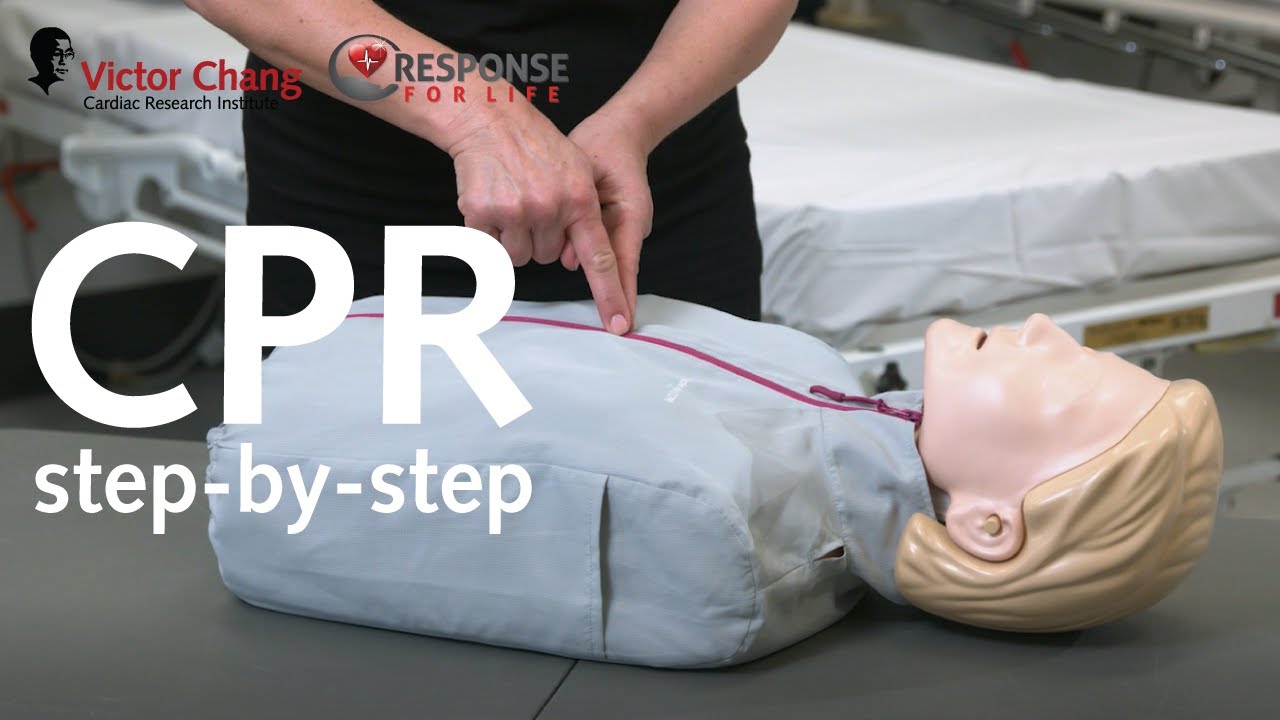
One prevalent myth bordering mouth-to-mouth resuscitation is that it constantly restarts the heart; nonetheless, this isn't real-- CPR enhances chances of survival yet doesn't ensure heart activity returns to promptly after heart attack. Recognizing such mistaken beliefs can assist in supplying exact emergency treatment throughout emergency situations involving burns or various other extreme injuries.
FAQs regarding Burn Injury Healing
1. What need to I do instantly after maintaining a burn?
Answer: Amazing the location under running water for a minimum of 20 minutes and cover it with a tidy fabric or specialized dressing if necessary.
2. How long does it consider burns to heal?
Answer: Recovering times vary by burn level; first-degree burns typically recover within a week while second-degree burns can use up to three weeks or even more depending upon severity.
3. When need to I look for medical attention for a burn?
Answer: Look for expert help if you have second-degree burns bigger than three inches or any third-degree burns, regardless of size.
4. Can I make use of ice directly on a burn?
Answer: No, using ice directly can create further skin damage; usage cool (not cool) running water instead.
5. Is there any type of efficient natural home remedy for burns?
Answer: Aloe vera gel has soothing buildings that might help with minor burns but seek advice from doctor relating to considerable injuries.
6. Just how do I know if my melt is infected?
Answer: Indicators consist of boosted redness, swelling, pus discharge, high temperature, or aggravating discomfort; seek instant clinical advice if you believe infection.
Conclusion
Understanding melt injury healing stages is vital not simply for patients yet also caregivers who provide support during recuperation stages. Knowledge about specialized therapies-- like specialized dressings-- and proactive scar management considerably impacts long-lasting outcomes after significant burns occur.

Through recognition projects that emphasize safety around usual dangers like campfires or cooking area tools-- such as curling irons-- we can protect against several events before they take childcare first aid course melbourne place! By recognizing exactly how to respond with effective first aid course in melbourne first aid skills (like those instructed in HLTAID012 training courses), you empower on your own with valuable tools that secure lives during emergencies involving burns or various other severe injuries.
In summary, expertise truly is power when taking care of possible emergencies connected to burns-- from understanding therapy procedures like chemical or electric burns first aid guidelines down via numerous child-centric problems seen within education settings-- every information matters in guaranteeing safety!
This detailed guide aims not just to educate but likewise influence self-confidence in managing complex situations efficiently-- after all-- prevention incorporated with timely intervention saves lives!
